What I Learned About Skin Healing the Hard Way
I used to think skincare was just about creams and serums—until a serious skin reaction changed everything. That’s when I discovered rehabilitation training for the skin: a slow, intentional process of repair. It’s not magic, but it works. This is what no one told me about rebuilding a damaged skin barrier, step by painful step. What began as a quest for clearer, smoother skin turned into a humbling journey of restraint, observation, and deep respect for the body’s natural rhythms. I learned that healing isn’t about adding more—it’s about doing less, with greater awareness.
The Breaking Point: When Skincare Stops Working
For years, I followed the latest trends in skincare, believing that more products meant better results. I rotated between chemical exfoliants, retinoids, brightening toners, and overnight masks, convinced each new bottle brought me closer to perfection. My routine grew from five steps to nearly ten, layered in precise order, morning and night. At first, my skin responded—pores appeared smaller, texture improved. But over time, the glow faded, replaced by tightness, redness, and an unrelenting sensitivity that made even lukewarm water feel abrasive.
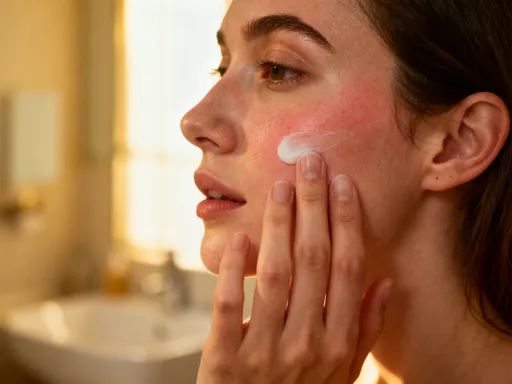
The breaking point came one winter morning. After applying a popular vitamin C serum followed by a glycolic acid toner, my cheeks erupted in stinging heat. Within hours, my face was inflamed, flaking, and painful to touch. I had triggered a full barrier breakdown—a condition dermatologists recognize as impaired stratum corneum function, where the skin loses its ability to retain moisture and defend against irritants. No amount of serum could fix what I had undone. That moment forced me to confront a hard truth: I wasn’t caring for my skin—I was overwhelming it.
Skin rehabilitation is not a trend or a luxury. It is a necessary reset for skin that has been overprocessed, overstimulated, or chronically stressed. Unlike conventional routines focused on correction and enhancement, rehabilitation prioritizes recovery. It means stepping back from actives, simplifying regimens, and allowing the skin time to restore its natural balance. The goal isn’t immediate transformation but sustainable resilience. Recognizing the signs—persistent dryness, reactivity to previously tolerated products, visible redness, or a feeling of constant tightness—is the first step toward healing. These are not flaws to be masked but signals to be honored.
Understanding the Skin Barrier: Your Body’s First Defense
The skin barrier, primarily located in the outermost layer known as the stratum corneum, functions like a brick wall. The “bricks” are dead skin cells (corneocytes), and the “mortar” is a matrix of lipids—ceramides, cholesterol, and fatty acids. Together, they form a protective shield that locks in moisture and keeps out pollutants, allergens, and microbes. When this barrier is intact, skin feels smooth, supple, and calm. When compromised, it becomes vulnerable to dehydration, inflammation, and infection.
Damage occurs through repeated exposure to harsh practices. Over-cleansing with stripping surfactants, overuse of exfoliants (especially physical scrubs and strong acids), and frequent product layering disrupt lipid production and weaken cellular cohesion. Environmental stressors like cold weather, low humidity, and pollution further degrade this shield. Even emotional stress plays a role—chronic stress elevates cortisol, which can impair skin repair and increase inflammation. These factors don’t always cause immediate harm, but their cumulative effect erodes resilience over time.
Healing the barrier is not a sprint. It requires patience because lipid synthesis and cellular turnover operate on biological timelines. The skin renews itself approximately every 28 days, but full barrier recovery can take weeks or even months, depending on severity. Quick fixes like occlusive patches or hydrating mists may offer temporary relief but do not address the root cause. True restoration happens when the skin is given the conditions to heal itself—minimal interference, consistent protection, and adequate nourishment. This means resisting the urge to intervene aggressively, even when progress feels slow.
Why Conventional Skincare Can Make Things Worse
Modern skincare culture often equates activity with progress. The promise of “glass skin,” “bounce,” or “instant radiance” drives consumers toward potent ingredients and complex routines. While some actives are beneficial when used appropriately, their misuse—especially in combination—can be detrimental. The problem lies not in the ingredients themselves but in the mindset of constant optimization. Skin is not a surface to be perfected; it is a living organ with limits.
Aggressive treatments like high-concentration acids, retinoids, and peels accelerate cell turnover but compromise barrier integrity if used without adequate recovery time. When applied too frequently or layered without consideration, they strip away essential lipids and disrupt the skin’s pH, which ideally sits between 4.5 and 5.5. An alkaline shift impairs enzyme function needed for lipid synthesis and encourages microbial imbalance, potentially leading to conditions like dermatitis or rosacea.
The pursuit of flawlessness often backfires. Many individuals report increased sensitivity, chronic redness, and a dependency on fewer and fewer products as their skin becomes more reactive. This phenomenon, sometimes referred to as “sensitized skin,” is not an allergy but a state of heightened vulnerability caused by repeated insult. Trend-driven routines—such as double cleansing, multiple serums, or daily exfoliation—may work for some but are not universally safe. What works for one person’s resilient skin may overwhelm another’s, especially if underlying damage is already present. The real danger is not in using actives but in ignoring the skin’s feedback.
The Principles of Skin Rehabilitation Training
Skin rehabilitation draws powerful parallels to physical therapy. Just as a strained muscle requires rest, gradual strengthening, and protection from re-injury, damaged skin needs a structured, gentle approach to regain strength. The core principles are minimalism, consistency, and protection. This is not a short-term fix but a long-term recalibration of how one relates to their skin.
Minimalism means reducing the routine to essentials: a gentle cleanser, a moisturizer with barrier-supporting ingredients, and daily sunscreen. Eliminating non-essential products reduces the risk of irritation and allows the skin to focus on repair. Consistency is equally important—using the same products daily creates a stable environment, enabling the skin to rebuild predictably. Frequent changes, even with “gentle” new additions, can disrupt progress. Protection involves shielding the skin from environmental aggressors, particularly UV radiation, wind, and pollution, all of which can delay healing.
Hydration plays a central role, but not in the way marketing often suggests. True hydration comes from within—supporting the skin’s ability to retain water rather than just applying water-based products. Ingredients like hyaluronic acid attract moisture, but without a functional barrier, it evaporates quickly. This is where ceramides, cholesterol, and fatty acids become critical. These lipids mimic the skin’s natural composition and help reconstruct the mortar between cells. Products containing these components—often labeled as “barrier repair creams”—are scientifically supported for improving skin integrity.
Equally important is maintaining a balanced pH. Using cleansers and toners that are neutral or slightly acidic supports the skin’s natural defenses. Alkaline products, even if labeled “natural,” can be disruptive. The goal is not to sterilize the skin but to support its ecosystem. Over time, this approach fosters resilience—skin that can tolerate occasional use of actives without breaking down.
My Step-by-Step Recovery Routine (What Actually Worked)
My recovery began with elimination. I stopped all actives—no acids, no retinoids, no essential oils, no fragrances. I simplified to three products: a non-foaming, sulfate-free cleanser, a fragrance-free moisturizer rich in ceramides, and a mineral-based sunscreen with zinc oxide. I used lukewarm water, never hot, and patted my skin dry instead of rubbing. This basic routine became my foundation.
Each morning, I cleansed lightly, applied moisturizer while skin was still damp to lock in hydration, and finished with sunscreen. At night, I repeated the same steps, occasionally adding a thin layer of plain petroleum jelly on extra dry patches as an occlusive. I avoided all exfoliation for at least eight weeks. I also stopped using washcloths and switched to clean hands for cleansing to reduce friction.
Tracking progress was essential. I took weekly photos under consistent lighting and noted how my skin felt—tightness, itching, redness—rather than how it looked. Improvement wasn’t linear. There were flare-ups, especially during seasonal changes or periods of stress. But over time, the reactions became less frequent and less severe. I resisted the urge to add products prematurely, waiting until my skin felt consistently calm and resilient.
After ten weeks, I cautiously reintroduced one product: a hydrating serum with hyaluronic acid and glycerin. I patch-tested behind my ear for five days before applying it to my face. Only after confirming no reaction did I incorporate it into my routine. I continued to add products slowly, one at a time, with at least a week between introductions. This methodical approach prevented setbacks and helped me identify what my skin could tolerate.
Tools I used were simple: a humidifier to maintain indoor moisture, wide-brimmed hats for sun protection, and cotton pillowcases to reduce irritation. I avoided makeup during the initial phase, and when I resumed, I chose mineral-based formulas with minimal ingredients. None of these solutions were revolutionary, but their consistency made the difference.
Mindset Shifts That Accelerated Healing
Perhaps the most transformative part of my journey was not the products but the shift in mindset. I had to let go of the idea that healthy skin must look a certain way—smooth, poreless, glowing. I learned to value function over appearance. A skin that no longer stings when I wash my face is a victory. A face that can withstand a windy day without redness is progress.
Perfectionism had driven much of my earlier overuse. I believed that if I just found the right product or routine, I could achieve an ideal. But skin, like the rest of the body, is dynamic. It changes with age, hormones, environment, and stress. Healing required accepting imperfection and embracing slowness. I stopped comparing my skin to influencers’ filtered photos and began listening to its needs.
Emotional well-being played a surprising role. During periods of high stress, my skin would flare, even if I stuck to my routine. I began incorporating mindfulness practices—short meditations, journaling, and regular walks—to support overall balance. Self-compassion became a daily practice. Instead of criticizing my skin for not healing fast enough, I thanked it for repairing itself. This shift didn’t speed up biology, but it reduced the anxiety that often worsens skin conditions.
Rehabilitation taught me to view skincare as a relationship, not a battle. I stopped trying to “fix” my skin and started learning from it. Each sensation—tightness, dryness, calm—became information, not failure. This perspective changed everything.
Beyond the Glow: What True Skin Health Looks Like
True skin health is not defined by flawlessness. It is defined by resilience—the ability to maintain balance despite challenges. Healthy skin can be slightly textured, have visible pores, or show seasonal dryness. What matters is that it functions well: it retains moisture, responds appropriately to stimuli, and repairs itself efficiently. Rehabilitation training builds this resilience by honoring the skin’s natural processes rather than overriding them.
The journey also reshaped my understanding of beauty. The glossy, airbrushed standards promoted in media are not only unrealistic but often unattainable without digital enhancement. Real skin has variations, and that’s normal. What we see online is rarely the full story—many influencers use professional lighting, filters, and dermatological treatments that aren’t disclosed. By focusing on health rather than appearance, I developed a deeper, more sustainable appreciation for my skin.
It’s important to emphasize that while self-care is valuable, professional guidance is irreplaceable. If symptoms persist—such as severe redness, oozing, or widespread irritation—consulting a board-certified dermatologist is essential. Conditions like eczema, rosacea, or allergic contact dermatitis require medical diagnosis and treatment. Self-diagnosis can delay proper care and lead to further damage. Dermatologists can perform patch testing, recommend appropriate therapies, and help create a safe recovery plan.
In the end, skin rehabilitation is about patience, presence, and respect. It’s about understanding that healing is not a linear path but a series of adjustments, setbacks, and small victories. It’s about listening—to the body, to science, to experience. My skin may never look like it did in my twenties, and that’s okay. What it has gained—strength, stability, and balance—is far more valuable. The real glow isn’t on the surface. It’s the quiet confidence that comes from knowing you’re caring for yourself, one gentle step at a time.