Fatty Liver? How I Turned Things Around with Simple Daily Shifts
Living with a fatty liver diagnosis was a wake-up call I didn’t see coming. It wasn’t until routine tests revealed early-stage liver fat buildup that I realized how silently my habits were harming my health. No dramatic symptoms—just fatigue and occasional discomfort. But that subtle warning sparked a journey of real change. What I learned reshaped not just my diet and routine, but my entire approach to long-term wellness. This condition, more common than many realize, doesn’t announce itself with pain or urgency. Instead, it progresses quietly, often unnoticed until damage has already begun. The good news? Early intervention through daily lifestyle choices can reverse its course and restore health—one mindful decision at a time.
The Hidden Epidemic: Understanding Fatty Liver in Everyday Life
Fatty liver disease is one of the most underrecognized health challenges of our time, affecting an estimated one in three adults worldwide. Despite its prevalence, many people have never heard of it or assume it only affects heavy drinkers. In reality, the majority of cases fall under non-alcoholic fatty liver disease (NAFLD), a condition directly tied to modern lifestyle patterns rather than alcohol consumption. At its core, fatty liver occurs when excess fat accumulates in liver cells—more than 5 to 10 percent of the organ’s weight—interfering with its ability to function properly.
This buildup often develops silently, with no obvious symptoms in the early stages. Some may experience mild fatigue, discomfort in the upper right abdomen, or unexplained weight gain, but these signs are easily dismissed as part of aging or stress. Because routine blood work doesn’t always include liver enzyme testing, the condition can go undetected for years. By the time symptoms become noticeable, the liver may already be inflamed or scarred—a progression known as non-alcoholic steatohepatitis (NASH), which increases the risk of cirrhosis and liver failure.
The rise in NAFLD parallels the increase in obesity, type 2 diabetes, and metabolic syndrome. Sedentary lifestyles, diets high in processed foods, and excessive sugar intake have created the perfect environment for fat to infiltrate the liver. Unlike other organs, the liver does not send sharp pain signals when under stress. Instead, it adapts and compensates, masking problems until they become serious. This silent nature makes awareness and early detection crucial. Understanding what fatty liver is—and how common it has become—is the first step toward prevention and reversal.
My Wake-Up Call: A Personal Turning Point
I never thought I’d be someone at risk for liver issues. I didn’t drink heavily, I exercised occasionally, and I considered myself generally healthy. But during a routine physical, my doctor paused while reviewing my blood test results. My liver enzymes—specifically ALT and AST—were elevated. I remember feeling confused. I hadn’t been feeling ill. The only things out of the ordinary were a persistent sense of tiredness and a slight heaviness after meals. Yet those subtle clues were enough to prompt further investigation.
An ultrasound confirmed it: I had mild fatty liver. There was no immediate danger, the doctor explained, but if left unaddressed, it could lead to more serious complications. The most surprising part? There was no prescription. No pill to fix it. Instead, the recommendation was clear: change my lifestyle. I needed to focus on what I ate, how much I moved, and how I managed my weight. It wasn’t about drastic measures—it was about consistency, awareness, and long-term habits.
That moment shifted something in me. It wasn’t fear that drove me forward, but a sense of responsibility. My body had been sending quiet signals, and I had ignored them. This diagnosis wasn’t a life sentence; it was a warning and an opportunity. I realized that many women in my age group—juggling family, work, and personal commitments—might be in the same boat, unaware that small daily choices were adding up to long-term consequences. If I could make changes that supported my liver health, so could others. The journey wasn’t about perfection. It was about progress, one day at a time.
Why the Liver Matters: More Than Just a Filter
Most people think of the liver as the body’s detox center—the organ that cleanses the blood of toxins. While that’s true, its role is far more complex and essential. The liver is like a power plant and control center combined, managing over 500 vital functions that keep the body running smoothly. It stores energy in the form of glycogen, produces proteins for blood clotting, regulates hormones, and helps metabolize fats, proteins, and carbohydrates. When fat builds up and interferes with these processes, the entire system begins to slow down.
One of the liver’s most important jobs is managing blood sugar. After a meal, it absorbs glucose and stores it for later use. When blood sugar drops, it releases glucose back into the bloodstream to keep energy levels stable. But when the liver becomes overloaded with fat, it becomes less responsive to insulin—a condition known as insulin resistance. This forces the pancreas to produce more insulin, increasing the risk of type 2 diabetes. Over time, this metabolic imbalance can also contribute to weight gain, high blood pressure, and elevated cholesterol, all components of metabolic syndrome.
Additionally, a fatty liver struggles to process fats efficiently. Instead of breaking them down, it allows fat to accumulate, which can lead to inflammation. Chronic inflammation damages liver tissue and may progress to fibrosis or even cirrhosis. Because the liver has no pain receptors, this damage occurs silently. Yet the effects ripple outward, impacting heart health, energy levels, and overall well-being. Protecting the liver isn’t just about preventing liver disease—it’s about supporting the foundation of metabolic health. When the liver functions well, the whole body benefits.
The Usual Suspects: What Fuels Fatty Liver
If fatty liver is a growing epidemic, then modern eating habits are a primary driver. Three major factors stand out: excessive sugar intake, especially fructose; refined carbohydrates; and physical inactivity. These elements, common in today’s fast-paced lifestyle, create the perfect storm for fat accumulation in the liver. The most damaging culprit? Sugar-sweetened beverages. Sodas, fruit punches, energy drinks, and even sweetened teas deliver large amounts of fructose directly to the liver. Unlike glucose, which can be used by nearly every cell in the body, fructose is primarily metabolized by the liver. When consumed in excess, it overwhelms the organ, forcing it to convert the surplus into fat.
Processed and refined carbohydrates are another key contributor. White bread, pastries, crackers, and instant cereals break down quickly into glucose, spiking insulin levels and promoting fat storage. These foods are often low in fiber, which means they don’t provide lasting fullness, leading to overeating. Over time, repeated blood sugar spikes strain the liver and contribute to insulin resistance. Even seemingly healthy options like flavored yogurts or store-bought granola bars can be loaded with hidden sugars, making it easy to exceed daily recommendations without realizing it.
Sedentary behavior compounds the problem. Sitting for long periods—whether at a desk, in front of the TV, or during commutes—slows metabolism and reduces the body’s ability to burn fat. Without regular movement, the liver continues to store fat rather than use it for energy. Obesity, particularly abdominal fat, is strongly linked to fatty liver, but even individuals with a normal BMI can develop the condition if their diet and activity levels are poor. The good news is that these risk factors are modifiable. By addressing them directly, it’s possible to reduce liver fat and improve metabolic health, regardless of age or starting point.
Real Changes That Worked for Me: My Practical Reset Plan
After my diagnosis, I knew I needed to make changes, but I didn’t want to follow a restrictive or unsustainable diet. Instead, I focused on small, realistic adjustments that I could maintain over time. The first and most impactful step was eliminating sugary drinks. I replaced soda with water, herbal tea, or sparkling water with a splash of lemon. Cutting out just one 12-ounce soda a day removed about 150 empty calories and 40 grams of sugar—equivalent to 10 teaspoons. That single change made a noticeable difference in how I felt within weeks.
I also shifted my approach to carbohydrates. Rather than banning bread or pasta entirely, I chose whole grain versions and paid attention to portion sizes. I started incorporating more fiber-rich foods like oats, lentils, beans, vegetables, and fruits. Fiber slows digestion, helps regulate blood sugar, and supports healthy gut bacteria—all of which benefit the liver. I began cooking more meals at home, where I could control ingredients and avoid hidden sugars and unhealthy fats. Simple swaps, like using olive oil instead of butter and seasoning with herbs instead of pre-made sauces, made a big difference.
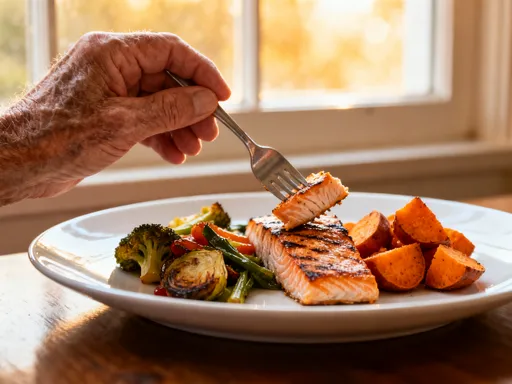
Protein became a priority at every meal. Including lean sources like chicken, fish, tofu, eggs, and legumes helped me feel fuller longer and supported muscle maintenance, especially as I added more movement to my day. I didn’t count calories or follow a strict meal plan. Instead, I focused on balance and consistency. Over time, I noticed improvements: my energy levels stabilized, afternoon crashes became less frequent, and my clothes fit better. Most importantly, my follow-up blood tests showed a steady decline in liver enzymes, confirming that my liver was healing.
Movement as Medicine: How Daily Activity Supports Liver Health
Exercise was another cornerstone of my recovery, but I didn’t start with intense workouts. As someone who hadn’t been consistently active, I knew I needed to build a habit gradually. I began with daily 30-minute walks—sometimes around the neighborhood, sometimes on a treadmill while listening to a podcast. The goal wasn’t to burn maximum calories but to move consistently. Research shows that even moderate physical activity can reduce liver fat by improving insulin sensitivity and boosting fat metabolism.
Over time, I added light strength training two to three times a week. Using resistance bands and bodyweight exercises like squats, lunges, and planks, I built strength without needing a gym. Muscle tissue burns more calories at rest than fat, so increasing muscle mass helped improve my overall metabolism. I also made a conscious effort to reduce sitting time. I stood while folding laundry, took short walks after meals, and used a standing desk when working from home. These small bursts of movement added up throughout the day.
The key was consistency, not intensity. I didn’t push myself to exhaustion or compare my progress to others. Some days were easier than others, and that was okay. What mattered was showing up and moving, even if it was just for 10 minutes. Over several months, I noticed not only physical changes but mental ones too—less brain fog, better sleep, and a greater sense of control over my health. Movement became less of a chore and more of a daily gift to my body, especially my liver.
Monitoring Progress and Staying on Track
Tracking progress was essential, but I learned not to obsess over the scale. Weight loss did occur, but it was gradual and not linear. More telling were the non-scale victories: waking up feeling refreshed, having steady energy throughout the day, and no longer feeling bloated after meals. I kept a simple journal where I noted how I felt, what I ate, and how much I moved. It wasn’t about perfection—it was about awareness.
Regular check-ups with my doctor provided objective feedback. Every six months, I had blood work done to monitor liver enzymes, blood sugar, and cholesterol levels. Seeing those numbers improve was incredibly motivating. My ALT levels dropped from 78 to 42 U/L within a year—well within the normal range. My fasting insulin and HbA1c also improved, indicating better metabolic health. These lab results confirmed that the changes I was making were working at a cellular level.
Of course, there were setbacks. Holidays, travel, and stressful periods sometimes led to old habits creeping back. But instead of giving up, I practiced self-compassion. I reminded myself that one indulgent meal wouldn’t erase months of progress. The goal wasn’t perfection but resilience—the ability to return to healthy habits after a slip. I found support in online communities and by sharing my journey with close friends. Knowing I wasn’t alone made it easier to stay committed.
Final Thoughts: A New Relationship with Health
Looking back, my fatty liver diagnosis was not a failure but a turning point. It taught me to listen to my body, respect its limits, and take action before small imbalances became serious problems. The changes I made weren’t temporary fixes—they became a new way of living. I now view food as fuel and movement as medicine, not as punishments or obligations. My relationship with health has shifted from reactive to proactive, from fear-based to empowerment-based.
For women in their 30s, 40s, and 50s—who often put everyone else’s needs before their own—this message is especially important. Taking care of your liver isn’t about vanity or strict diets. It’s about preserving your energy, vitality, and long-term well-being so you can continue to show up fully in your life. You don’t need a diagnosis to start making better choices. Start with one small change: drink more water, take a daily walk, or swap processed snacks for whole foods. Each decision is a step toward a healthier liver and a stronger, more resilient body.
The liver is a remarkable organ with the ability to regenerate when given the right support. With mindful eating, regular movement, and consistent self-care, fatty liver can be reversed in its early stages. But the real victory lies in developing a sustainable, compassionate approach to health—one that honors your body today and protects it for years to come. Your liver works silently for you every day. It’s time to return the favor.