How I Fueled My Comeback: Real Food That Powered My Recovery
Recovering from injury or illness isn’t just about physical therapy—it’s about what fuels your body, too. I learned this the hard way when my rehab stalled until I changed my meals. What I discovered wasn’t a miracle, but a game-changer: real, nutrient-dense food can seriously speed up healing. This is how smart nutrition became my secret weapon in rebuilding strength, energy, and resilience—naturally and effectively. At first, I thought I was doing everything right: attending therapy sessions, resting when needed, and following medical advice. But progress was slow, energy stayed low, and motivation dipped. It wasn’t until I examined what I was eating that things began to shift. The truth is, healing happens at a cellular level—and cells need the right raw materials to repair, renew, and grow stronger. That’s when I realized food isn’t just about comfort or convenience. It’s a powerful tool for recovery, one that can either support or sabotage your healing journey.
The Hidden Roadblock in My Recovery
For months, I followed my rehabilitation plan faithfully. I attended every appointment, completed prescribed exercises, and rested as instructed. Yet, my recovery plateaued. Fatigue clung to me like a heavy coat, muscle strength barely improved, and even small daily tasks felt exhausting. I began to question whether I would ever regain the vitality I once had. My doctor reassured me that healing takes time, and while that was true, I couldn’t shake the feeling that something was missing. I wasn’t doing anything wrong—on the surface. But deep down, I knew my diet wasn’t supporting my body the way it should.
I was eating what I thought were balanced meals: pre-packaged lunches, frozen dinners, and occasional takeout. I made sure I wasn’t skipping meals, and I even added a protein bar now and then. But those choices were often high in sodium, refined carbohydrates, and unhealthy fats, with minimal real nutrition. I wasn’t malnourished in the traditional sense, but I was nutritionally deficient in the very nutrients my body needed most during recovery—protein, vitamins, minerals, and healthy fats. It was like trying to rebuild a house with flimsy materials. The structure might stand, but it wouldn’t be strong or resilient.
The turning point came when a physical therapist gently asked about my diet. Her question caught me off guard. I had never considered food as part of the healing equation—only medicine, rest, and movement. But her insight sparked a shift in my thinking. What if food wasn’t just fuel, but medicine? What if the right nutrients could actually accelerate tissue repair, reduce inflammation, and restore energy? That moment marked the beginning of a new phase in my recovery—one where food became a deliberate, strategic part of my healing process. I stopped seeing meals as afterthoughts and started viewing them as essential therapy.
Why Nutritional Meals Matter in Rehabilitation
Healing is not a passive process. When the body is recovering from injury or illness, it enters a state of heightened metabolic activity. Tissues are being repaired, immune responses are activated, and cells are regenerating. All of these processes require energy and raw materials—specifically, high-quality nutrients. Think of your body as a construction site. Bricks, steel, and skilled labor are needed to rebuild what’s been damaged. Without the right materials, even the most experienced workers can’t make progress. In the same way, without proper nutrition, physical therapy and medical treatments can only do so much.
Protein is one of the most critical components in recovery. It provides the amino acids necessary to rebuild muscle, repair connective tissues, and support immune function. When protein intake is inadequate, the body may break down existing muscle to meet its needs—a counterproductive outcome for someone already struggling to regain strength. Antioxidants, found abundantly in colorful fruits and vegetables, help neutralize oxidative stress caused by inflammation. Chronic inflammation can slow healing and contribute to pain and fatigue, so consuming antioxidant-rich foods like berries, spinach, and bell peppers is essential.
Healthy fats, particularly omega-3 fatty acids from sources like fatty fish, walnuts, and flaxseeds, play a vital role in reducing inflammation and supporting brain health. They also contribute to the integrity of cell membranes, which affects how cells communicate and function. Vitamins and minerals act as co-factors in countless biochemical reactions. For example, vitamin C is necessary for collagen production—a key component of skin, tendons, and ligaments. Zinc supports immune response and wound healing, while magnesium helps regulate muscle and nerve function.
It’s important to understand that not all calories are created equal. A 300-calorie meal of processed snacks may keep hunger at bay, but it won’t provide the nutrients needed for tissue repair. In contrast, a 300-calorie meal of grilled chicken, quinoa, and roasted vegetables delivers a powerful combination of protein, fiber, complex carbohydrates, and essential micronutrients. The body recognizes this difference. When nourished properly, it has the tools it needs to heal efficiently and effectively. Nutrition isn’t a luxury during recovery—it’s a necessity.
Common Diet Mistakes That Slow Healing
One of the most common misconceptions about recovery nutrition is that as long as you’re eating enough, the quality of food doesn’t matter. This couldn’t be further from the truth. Many people in rehabilitation unknowingly sabotage their progress by relying on convenience foods that are easy to prepare but low in nutritional value. Frozen meals, canned soups, packaged snacks, and sugary beverages may fill the stomach, but they often lack the protein, fiber, and micronutrients the body needs. Worse, they can contribute to inflammation, blood sugar swings, and sluggish energy levels.
Sugar is a particularly insidious culprit. While occasional sweets are fine, a diet high in added sugars can increase inflammation and impair immune function. When the body is in recovery mode, chronic inflammation is the last thing it needs. High sugar intake can also lead to energy crashes, making it harder to stay consistent with therapy and daily movement. I experienced this firsthand—after eating a breakfast of pastries and juice, I’d feel a brief spike in energy followed by a steep decline, leaving me too fatigued to complete my exercises.
Another frequent mistake is underestimating protein needs. Many people assume they’re getting enough protein because they eat meat occasionally or consume protein-fortified bars. But consistent, evenly distributed protein intake throughout the day is key. The body can only utilize a certain amount of protein at one time—typically 20 to 30 grams per meal for most adults. If all your protein is consumed in one large dinner, the rest goes to waste or is stored as fat. Spacing protein across meals ensures a steady supply of amino acids for tissue repair.
Dehydration is another overlooked factor. Water is essential for every bodily function, including nutrient transport, joint lubrication, and waste removal. Even mild dehydration can cause fatigue, headaches, and reduced concentration—all of which make rehabilitation more difficult. Yet, many people don’t drink enough water, especially if they’re less active or in pain. Replacing water with sugary drinks or caffeine only worsens the problem. Additionally, “healthy” packaged foods can be misleading. Just because a product is labeled “low-fat,” “gluten-free,” or “natural” doesn’t mean it’s nutritious. Reading ingredient labels and focusing on whole, minimally processed foods is crucial during recovery.
Building a Recovery-Ready Plate: What Actually Works
Creating meals that support healing doesn’t have to be complicated. The goal is simple: build a plate that provides a balance of high-quality protein, complex carbohydrates, healthy fats, and a rainbow of vegetables. A practical framework is to fill half the plate with non-starchy vegetables, one-quarter with lean protein, and one-quarter with whole grains or starchy vegetables. Add a small portion of healthy fat, and include a glass of water. This approach ensures a steady supply of nutrients without requiring special diets or expensive supplements.
For breakfast, a nutrient-dense option might be scrambled eggs with spinach, tomatoes, and avocado, served with a slice of whole-grain toast. Eggs provide high-quality protein and choline, which supports brain health. Spinach and tomatoes offer antioxidants and vitamin C, while avocado contributes heart-healthy monounsaturated fats and fiber. This meal stabilizes blood sugar, supports tissue repair, and provides sustained energy—far better than a sugary cereal or plain toast.
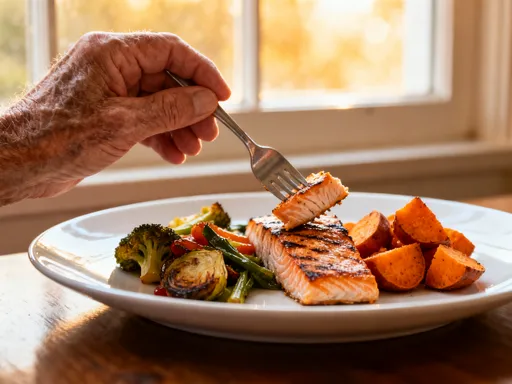
Lunch could include a grilled salmon fillet with roasted sweet potatoes and steamed broccoli. Salmon is rich in omega-3 fatty acids, which help reduce inflammation and support joint health. Sweet potatoes provide complex carbohydrates and beta-carotene, a precursor to vitamin A that aids skin and immune health. Broccoli is packed with fiber, vitamin K, and sulforaphane, a compound with anti-inflammatory properties. This combination fuels the body with healing nutrients while keeping energy levels steady.
Dinner might feature baked chicken breast with quinoa and a mixed green salad with olive oil and lemon dressing. Chicken offers lean protein, quinoa provides complete plant-based protein and fiber, and the salad delivers a variety of micronutrients. Olive oil adds healthy fats that enhance the absorption of fat-soluble vitamins like A, D, E, and K. Snacks can include Greek yogurt with berries, a handful of almonds, or hummus with carrot sticks—options that combine protein, healthy fats, and fiber to prevent energy crashes.
Meal timing also matters. Eating every three to four hours helps maintain stable blood sugar and provides a consistent supply of amino acids for muscle repair. Including protein in every meal and snack—about 20 to 30 grams per serving—maximizes muscle protein synthesis. Hydration should be a constant priority. Aim for at least eight glasses of water daily, more if you’re sweating or in a dry environment. Herbal teas and water-rich foods like cucumbers, oranges, and soups can also contribute to fluid intake.
Meal Prep That Fits a Healing Lifestyle
When you’re recovering, energy levels can be unpredictable. Some days you feel strong and motivated; others, even getting out of bed is a challenge. That’s why having a meal prep strategy is so valuable. It removes the daily decision-making burden and ensures that nutritious food is always within reach, even on low-energy days. The key is simplicity and sustainability—not perfection.
One effective approach is batch cooking. On a day when energy is higher, prepare large portions of staples like grilled chicken, roasted vegetables, quinoa, or lentils. Store them in portion-sized containers in the refrigerator or freezer. That way, assembling a meal takes just minutes—reheat a container, add a side salad or piece of fruit, and dinner is ready. Slow cookers and air fryers can be helpful, but the focus should remain on the ingredients, not the gadgets. A slow-cooked stew with beans, carrots, and lean beef is nourishing whether made in a pot or a pressure cooker.
Another useful strategy is “component prep.” Instead of cooking full meals in advance, prepare individual ingredients that can be mixed and matched. Cook a batch of brown rice, hard-boil a few eggs, chop raw vegetables, and grill some tofu or fish. Keep them in clear containers so they’re easy to see and access. When hunger strikes, combine any two or three components into a balanced plate. This method reduces food waste and keeps meals interesting.
Don’t underestimate the value of frozen and canned foods when used wisely. Frozen vegetables are often flash-frozen at peak ripeness, preserving their nutrients. Canned beans, tuna, and tomatoes can be pantry staples for quick meals. Just choose low-sodium versions and rinse beans before use. Having a few backup options—like a frozen vegetable medley or a can of salmon—ensures you never resort to unhealthy convenience foods out of desperation.
Finally, be kind to yourself. Some days, meal prep won’t go as planned. You might forget to thaw ingredients or feel too tired to cook. That’s okay. The goal is consistency over time, not flawless execution every day. Even one nourishing meal can make a difference. What matters most is the intention to support your body with real, wholesome food as often as possible.
Listening to Your Body: Adjusting Nutrition Through Stages of Rehab
Nutritional needs are not static—they change as recovery progresses. In the early stages, when inflammation is high and tissue repair is most active, the body may require more protein, antioxidants, and anti-inflammatory nutrients. This is the time to emphasize lean meats, fatty fish, leafy greens, berries, and nuts. As healing advances and activity increases, energy needs may rise. The body requires more fuel to support movement, endurance, and muscle rebuilding. Complex carbohydrates like oats, sweet potatoes, and whole grains become increasingly important.
Tuning in to hunger and fullness cues is essential. Some people eat out of habit or boredom, not actual need. Others restrict food out of fear of gaining weight during reduced activity. Both extremes can hinder recovery. Eating when genuinely hungry and stopping when comfortably full helps maintain energy balance and supports metabolic health. Pay attention to how different foods affect your energy, mood, and pain levels. You might notice that certain meals leave you feeling sluggish, while others provide steady focus and strength. These observations are valuable data points.
Mindful eating enhances this awareness. Taking time to sit down, chew slowly, and appreciate your food allows your body to properly digest and absorb nutrients. It also strengthens the connection between food and well-being. You begin to see meals not as distractions, but as acts of self-care. This mindset shift can be transformative, especially during a challenging recovery period.
It’s also important to recognize that nutritional needs vary from person to person. Age, gender, type of injury, medications, and underlying health conditions all influence dietary requirements. What works for one individual may not work for another. There’s no one-size-fits-all approach. The goal is to find a way of eating that supports your unique healing journey—one that feels sustainable, satisfying, and nourishing.
Putting It All Together: From Theory to Daily Practice
Recovery is a multifaceted process, and nutrition is one of its most powerful yet often overlooked components. Physical therapy, rest, and medical care are essential, but they work best when supported by proper nourishment. The food you eat directly influences how quickly and completely your body heals. It affects your energy, mood, strength, and resilience. By choosing real, nutrient-dense foods, you give your body the tools it needs to rebuild, repair, and regain function.
Small, consistent changes are more effective than extreme diets or short-term fixes. You don’t need to overhaul your entire eating pattern overnight. Start with one improvement—adding a serving of vegetables to lunch, drinking more water, or including protein in your breakfast. Build from there. Over time, these choices accumulate into meaningful progress. The goal isn’t perfection, but progress—showing up for your body every day with intention and care.
While personal experience is valuable, professional guidance is irreplaceable. Consulting a registered dietitian or healthcare provider can help tailor nutrition to your specific needs. They can assess your current diet, identify gaps, and offer practical recommendations. This is especially important if you have chronic conditions, food sensitivities, or complex medical histories. Nutrition is not a substitute for medical treatment, but it is a powerful complement.
In the end, healing is not just about returning to where you were—it’s about building a stronger, more resilient version of yourself. Food plays a central role in that transformation. It’s not a magic cure, but a steady, reliable partner in recovery. When you treat your body with respect—by feeding it real, wholesome food—you honor the incredible work it’s doing to heal. And in doing so, you empower yourself to come back stronger, one nourishing meal at a time.