How I Found Calm Through Movement — My Fitness Journey to Mental Balance
You’ve probably felt it—that constant mental noise, the stress that won’t quit, the emotional ups and downs that make daily life feel heavy. I’ve been there too. What changed for me wasn’t medication or therapy alone, but something simpler: movement. Exercise didn’t just reshape my body; it quieted my mind. This is how I discovered psychological balance not through stillness, but through consistent, intentional physical activity. It wasn’t about intense workouts or dramatic transformations. It was about showing up for myself in a way that honored both my body and my emotions. Over time, I learned that movement could be a form of quiet rebellion against the chaos of modern life—a way to reclaim focus, calm, and clarity without saying a word.
The Mental Load We Carry (And Why Fitness Is the Unexpected Relief)
Modern life places an invisible but heavy burden on the mind. For many women between 30 and 55, the mental load includes managing households, supporting children, maintaining relationships, and often contributing to a career—all while expected to remain composed and capable. This constant juggling act can lead to chronic stress, low-grade anxiety, and emotional fatigue. These aren’t signs of weakness; they are natural responses to sustained psychological pressure. The body registers this stress just as clearly as the mind does—through tense shoulders, shallow breathing, disrupted sleep, and persistent exhaustion. Over time, this wear and tear affects overall well-being, making even small challenges feel overwhelming.
What many don’t realize is that physical movement plays a powerful role in resetting this internal system. Research consistently shows that regular exercise influences brain chemistry in ways that support emotional regulation. It helps moderate cortisol, the primary stress hormone, and increases the availability of neurotransmitters like serotonin and dopamine, which are associated with improved mood and motivation. These changes don’t happen overnight, nor do they replace professional mental health care when needed. But they do offer a natural, accessible way to build resilience. Movement acts like a gentle recalibration, helping the nervous system shift from a state of constant alertness to one of balance.
The beauty of this process is that it doesn’t require extreme effort. Even moderate physical activity—such as a 20-minute walk—can initiate these beneficial shifts. The key is consistency. When movement becomes a regular part of daily life, it creates a rhythm that supports mental clarity and emotional steadiness. It’s not about pushing the body to its limits, but about using motion as a tool to restore inner equilibrium. For women navigating the complexities of midlife, this kind of self-care isn’t indulgent—it’s essential.
Why Traditional Workouts Failed Me (And What Shifted My Mindset)
Like many people, I first turned to exercise with very specific goals: to lose weight, to look better, to “fix” myself. I signed up for high-intensity classes, followed strict routines, and tracked every calorie burned. At first, there was a sense of accomplishment. But that feeling didn’t last. Soon, the workouts began to feel like obligations—another item on an already overflowing to-do list. I pushed through fatigue, ignored soreness, and felt guilty whenever I missed a session. Instead of feeling stronger, I felt more drained. The pressure to perform turned movement into another source of stress, not relief.
The turning point came during a particularly difficult week. I was emotionally overwhelmed, physically exhausted, and dreading my next workout. On a quiet morning, I stepped outside and simply began walking—no playlist, no tracker, no destination. I moved at my own pace, breathing deeply, noticing the trees, the sky, the sound of birds. For the first time in months, I wasn’t trying to achieve anything. And in that moment, something shifted. I realized that movement didn’t have to be punishing to be valuable. It could be gentle. It could be kind. It could be an act of listening rather than pushing.
This realization changed everything. I began to see exercise not as a means to an end, but as a form of self-respect. Instead of chasing external results, I focused on how movement made me feel—more grounded, more present, more like myself. I let go of rigid schedules and performance metrics. I allowed myself to rest when needed and to move when inspired. This shift in mindset made all the difference. Exercise was no longer something I did to change myself; it became something I did to care for myself. And in that care, I found a deeper, more lasting sense of balance.
The 3 Movement Types That Actually Balance Your Mind
Not all movement affects the mind in the same way. Through trial and reflection, I discovered that three types of physical activity, when practiced regularly, offer distinct but complementary benefits for mental well-being. These are aerobic exercise, strength training, and mindful movement. Each supports emotional regulation through different physiological and psychological pathways, making them most effective when combined over time.
Aerobic exercise—activities that elevate the heart rate, such as brisk walking, cycling, or swimming—has been widely studied for its mood-enhancing effects. When you engage in sustained rhythmic motion, your body increases blood flow to the brain and stimulates the release of endorphins, natural compounds that promote a sense of well-being. This type of movement also helps regulate sleep patterns and reduce physical tension, both of which are closely linked to emotional stability. The key is consistency, not intensity. A 20- to 30-minute walk most days of the week can make a meaningful difference. The rhythm of walking, in particular, has a meditative quality that allows the mind to settle and process emotions without pressure.
Strength training, often overlooked for its mental benefits, plays a crucial role in building confidence and resilience. Lifting weights or using resistance bands may seem purely physical, but the act of challenging your body in a controlled way sends a powerful message to the mind: I am capable. Over time, this builds a sense of agency and self-trust. Studies suggest that resistance exercise can reduce symptoms of anxiety and improve cognitive function. You don’t need a gym or heavy weights to benefit—bodyweight exercises like squats, lunges, and modified push-ups can be done at home with minimal equipment. Two to three sessions per week, even for just 15 minutes, can strengthen both muscle and mindset.
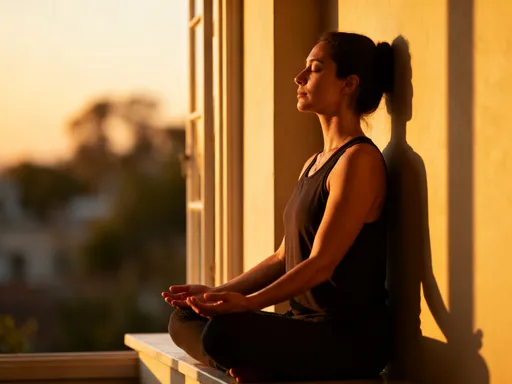
Mindful movement practices—such as yoga, tai chi, or gentle stretching—bridge the gap between physical activity and mental awareness. These forms emphasize breath, alignment, and presence, helping to cultivate a deeper connection between body and mind. Unlike high-energy workouts, they encourage slowing down and tuning in. This kind of movement supports the parasympathetic nervous system, which governs rest and recovery. Practicing yoga for 20 minutes a few times a week can reduce mental chatter, improve focus, and increase emotional flexibility. The goal isn’t perfection in poses, but awareness in motion. For women managing busy lives, these practices offer a rare opportunity to move with intention rather than urgency.
Timing, Rhythm, and Routine: Building a Sustainable Practice
One of the most important lessons I’ve learned is that consistency matters more than intensity. It’s better to move a little every day—or most days—than to push hard once a week and then burn out. The psychological benefits of exercise accumulate over time, much like interest in a savings account. Regular movement creates a sense of rhythm in daily life, which in turn fosters emotional stability. When you show up for yourself in small, predictable ways, you build trust—not just in your routine, but in your ability to care for yourself.
Finding the right time to move is deeply personal. Some women feel most energized in the morning and benefit from starting the day with a short walk or stretch. Others find that movement after work helps them transition from professional responsibilities to family time. Still, others prefer evening sessions as a way to unwind. There’s no single “best” time—only what works for your lifestyle and energy patterns. The key is to anchor movement to an existing habit when possible. This technique, known as habit stacking, makes it easier to follow through. For example, you might pair a five-minute stretch with your morning coffee or take a walk right after dropping the kids at school.
Motivation will naturally ebb and flow, and that’s normal. On low-energy days, it’s important to honor your limits without abandoning your practice. This might mean shortening a workout, switching to a gentler form of movement, or simply stepping outside for a few deep breaths. The goal isn’t perfection, but presence. When time feels scarce, remember that even 10 minutes of intentional movement counts. Over time, these small acts add up, reinforcing a sense of control and self-worth. The routine itself becomes a form of emotional grounding, a daily reminder that you are worth the effort.
Listening to Your Body: The Mind-Fitness Feedback Loop
One of the most profound shifts in my fitness journey was learning to listen to my body. Before, I treated exercise as a way to override my feelings—pushing through fatigue, ignoring pain, silencing doubt. But true balance comes not from domination, but from dialogue. The body constantly sends signals—through breath, posture, tension, and energy levels—that reflect our emotional state. When we move with awareness, we begin to notice these cues and respond with care.
This ability to perceive internal bodily sensations is known as interoception, and it’s a skill that can be developed. For example, you might notice that your shoulders are tight during a stressful week, or that your breath is shallow when you’re anxious. These aren’t just physical symptoms—they’re messages. Movement becomes a way to engage with them. A slow stretch can release stored tension. A mindful walk can help process overwhelming thoughts. Over time, this creates a feedback loop: the more you move with attention, the better you understand your body’s language. And the better you understand it, the more effectively you can support your mental health.
This practice transforms exercise from a task into a form of self-inquiry. Instead of asking, “How many calories did I burn?” you might ask, “How do I feel now?” The answers provide valuable insight. Some days, movement brings clarity and energy. Other days, it reveals fatigue or sadness—information that might otherwise go unnoticed. By using physical activity as a check-in rather than a fix, you cultivate a deeper relationship with yourself. You learn to respond with compassion, adjusting your routine to meet your needs rather than ignoring them.
When Movement Becomes Escape: Avoiding Exercise as Coping Mechanism
While movement can be a powerful tool for emotional regulation, it’s important to recognize when it crosses the line from self-care to avoidance. Like any healthy behavior, exercise can become unbalanced if used to suppress emotions rather than process them. For some, working out excessively becomes a way to numb anxiety, punish the body, or chase an unattainable ideal. This compulsive pattern can lead to burnout, injury, and increased emotional distress—undermining the very benefits it was meant to provide.
Red flags include exercising despite injury or illness, feeling intense guilt when missing a workout, or basing self-worth entirely on physical performance. These behaviors suggest that movement is no longer serving well-being, but reinforcing unhealthy patterns. The goal of fitness should be to feel stronger, not smaller; more connected, not more controlled. If your routine leaves you drained rather than renewed, it may be time to reassess your approach.
Healthy movement is balanced with rest, nourishment, and emotional reflection. It coexists with other forms of self-care, such as journaling, talking with a trusted friend, or simply sitting in stillness. On days when your body needs rest, honoring that need is just as important as showing up for a workout. True resilience comes from flexibility, not rigidity. By pairing physical activity with moments of pause, you create a more complete and sustainable practice. This balance allows you to move not to escape yourself, but to return to yourself with greater clarity and kindness.
Putting It All Together: A Realistic Week of Mind-Body Movement
Building a balanced movement routine doesn’t require a perfect plan—just a thoughtful one. Here’s an example of how the three types of movement can be integrated into a typical week, designed with flexibility and real-life demands in mind:
On Monday, start with a 15-minute morning stretch to awaken the body and set a calm tone for the day. Tuesday could include a 25-minute brisk walk during lunch or after dinner, focusing on steady rhythm and deep breathing. Wednesday might feature a 20-minute strength session at home—bodyweight squats, wall push-ups, and resistance band rows—followed by five minutes of mindful breathing. Thursday offers a return to gentler movement: a short yoga flow or tai chi practice to release tension and restore focus. Friday can mirror Tuesday with another walk, perhaps with a friend or podcast for added enjoyment. Saturday allows for a longer, more relaxed activity—like cycling, dancing, or gardening—for 30 to 40 minutes. Sunday is a rest day, with optional light stretching or a short walk in nature.
This sample week isn’t rigid. If you’re tired on Wednesday, shorten the strength session or switch to stretching. If it rains on Tuesday, walk indoors at a mall or do a home-based aerobic routine. The goal is to maintain momentum without pressure. Over time, you’ll learn which types of movement serve you best on different days. The rhythm itself becomes comforting—a reliable structure in an unpredictable world. And as this practice becomes a natural part of your life, you may find that the mental benefits deepen: greater calm, sharper focus, and a renewed sense of agency.
Starting small is key. You don’t need to adopt this full schedule on day one. Begin with just two or three short sessions per week and build from there. What matters most is showing up with intention, not intensity. Each step, each breath, each moment of movement is a quiet affirmation: I am here. I am taking care of myself. I am worth this time.